Concrete Tile Roofs in Colorado: What Homeowners Should Know About Hail Damage, Repairs & Insurance Claims
Concrete tile roof repair in Colorado can become complicated and expensive when damage is caused by hail, severe weather, or years of wear and tear. Concrete tile roofs are a popular choice for Colorado homes because they are durable, long-lasting, fire resistant, and able to stand up to harsh weather. Getting the damage properly assessed is especially important because determining whether individual tiles can be repaired or whether a larger portion of the roof needs replacement often requires someone with specific concrete tile roofing experience.
At BCZC Roofing & Exteriors, we have concrete tile roof experts on staff who understand these roofing systems and can help homeowners document damage and navigate the insurance claim process when weather-related damage is involved.
Are Concrete Tile Roofs Good for Colorado Homes?
If you’re searching for concrete tile roof repair in Colorado, it’s important to work with someone who understands both tile roofing systems and weather-related insurance claims.Concrete tile can be an excellent roofing material for Colorado homes. It is known for durability, longevity, fire resistance, and its ability to withstand demanding weather conditions.
Concrete and clay roofing tiles are noncombustible and can achieve a Class A fire rating as part of an appropriate roofing system. Tile roofing is also designed to resist hail, although sufficiently large or severe hail can crack or shatter individual tiles.
For Colorado homeowners dealing with hail, snow, freeze-thaw cycles, wind, and increasing concerns about wildfire, those characteristics can make concrete tile an attractive roofing option.
Can Hail Damage a Concrete Tile Roof?
Yes. Concrete tile is durable, but it isn’t indestructible.
Large hail can crack or break concrete roof tiles. Damage can vary depending on the size of the hail, the thickness and type of tile, where the hail strikes the tile, and the age and condition of the roofing system.
Some damage is easy to see, such as a completely broken tile. Other damage requires a trained professional who understands concrete tile roofing systems to determine what happened and whether the roof can be properly repaired.
This distinction becomes particularly important when an insurance claim is involved.
Why Can Concrete Tile Roof Repair in Colorado Be Complicated?
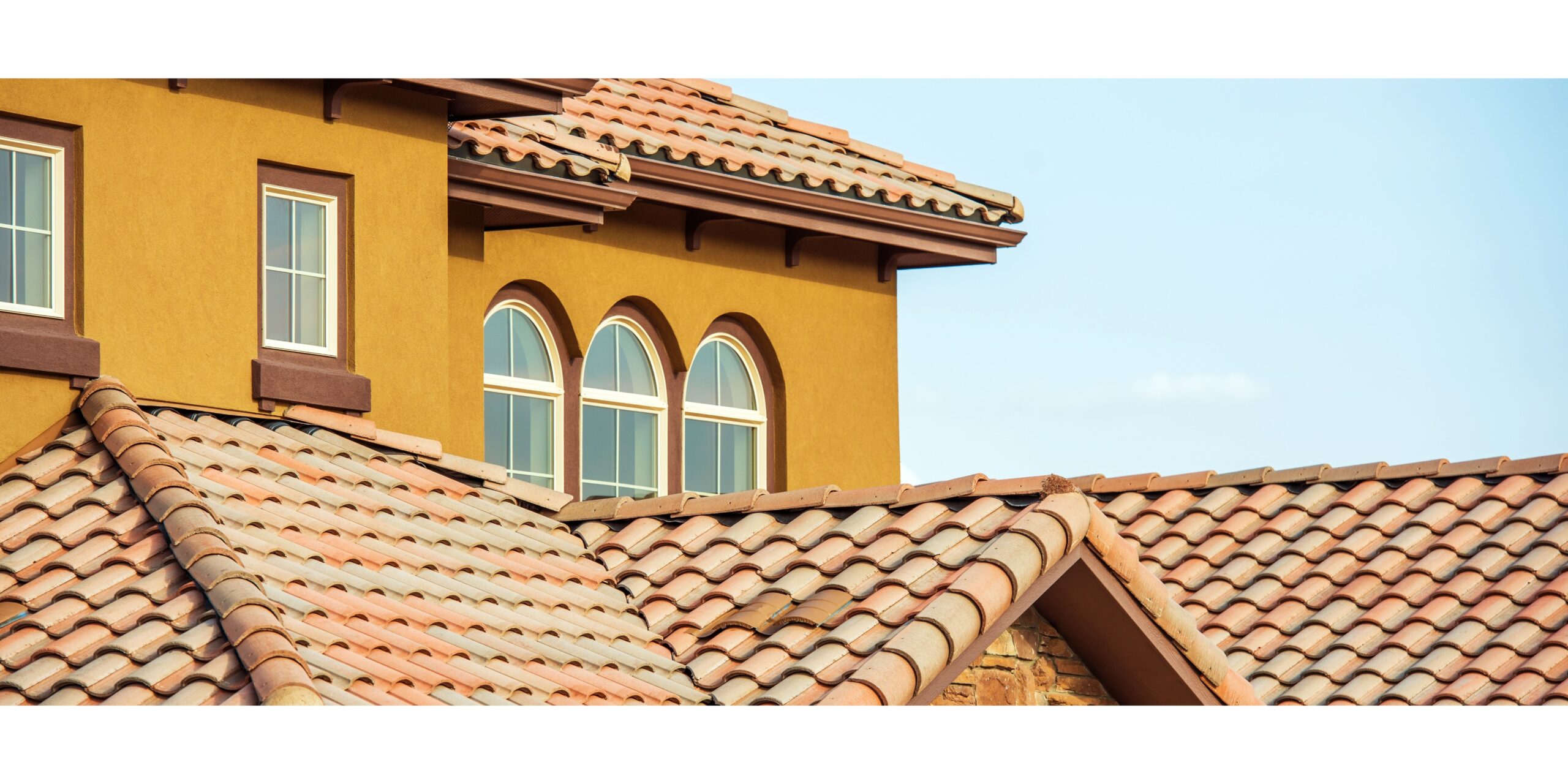
A concrete tile roof is very different from a standard asphalt shingle roof. Thousands of individual tiles make up the roofing system, and damaged tiles can often be individually removed and replaced.
That sounds simple until you have an older roof.
One of the challenges we encounter is determining whether the original tile is still manufactured and whether a replacement tile is actually compatible with the existing roofing system. The Tile Roofing Industry Alliance has identified discontinued roofing tiles as a significant issue because older profiles may no longer be available or may not properly interlock with current products.
Color alone isn’t enough. The replacement tile needs to work properly with the existing roof system.
That’s one reason an experienced concrete tile roofing contractor should evaluate the roof before decisions are made about whether storm damage can reasonably be repaired.
Can Wear and Tear Look Like Hail Damage on a Concrete Tile Roof?
This is where concrete tile insurance claims can become complicated.
An older tile roof may already have deterioration, previous repairs, broken tiles, installation issues, or aging components underneath the tile. A recent hailstorm can then cause additional damage.
An insurance carrier may need to determine which damage resulted from a covered weather event and which conditions developed over time.
Wear and tear refers to deterioration that develops gradually as a roof ages and is exposed to normal weather and use. Homeowners insurance generally handles sudden covered events differently from normal aging and maintenance, although the exact coverage depends on your individual policy.
A knowledgeable tile roof contractor can document the roof’s condition and help identify damage that appears consistent with a recent storm.
Why Can Concrete Tile Roof Repairs Become So Expensive?
The cost isn’t always about replacing a few broken tiles.
A proper assessment may also need to consider:
- Whether matching replacement tiles are still manufactured
- Whether available replacement tiles are compatible with the existing roof
- The condition of the underlayment beneath the tile
- The condition of the roof decking
- How safely existing tiles can be removed and reinstalled
- Whether previous repairs or installation issues are present
- Whether the damaged area can reasonably be repaired
- Current local building requirements
The Tile Roofing Industry Alliance recommends having trained professionals evaluate the condition of the underlayment and roof decking when determining whether a storm-damaged tile roof should be repaired or replaced.
This is why a concrete tile roof that appears to have only a few damaged tiles can sometimes turn into a much larger and more complicated project.
Why Does Experience Matter With a Concrete Tile Roof Insurance Claim?
Insurance adjusters handle many different types of roofs. Concrete tile requires specific knowledge about tile profiles, installation methods, repairability, discontinued materials, underlayment, and how storm damage affects the entire roofing system.
At BCZC Roofing & Exteriors, we have concrete tile roof experts on staff who can inspect the roof, document what we find, identify the existing tile when possible, and help homeowners through the insurance claim process.
We can also meet with the insurance adjuster when appropriate and provide the information needed to help ensure the roof damage is thoroughly evaluated.
The insurance carrier ultimately determines what your policy covers. Our role is to make sure the physical condition of the roof and the realities of repairing a concrete tile roofing system are clearly documented and understood.
Are Concrete Tile Roofs Fire Resistant?
Yes. Fire resistance is another important benefit of concrete tile roofing, particularly as Colorado places greater emphasis on wildfire-resistant construction.
Concrete and clay roof tiles are noncombustible and can be part of a Class A fire-rated roofing system. For homeowners living in or near Colorado’s Wildland-Urban Interface (WUI), choosing fire-resistant exterior materials is becoming increasingly important.
Wildland-Urban Interface (WUI) refers to areas where homes and other development meet or intermingle with undeveloped vegetation where wildfire risk is greater.
Colorado’s Wildfire Resiliency Code establishes wildfire-resistant construction requirements for certain new construction and rebuilding projects in designated areas.
If you live in a wildfire-prone part of Colorado, you can learn more in our guide:
Colorado Wildfire Resiliency Code: What Colorado Homeowners Need to Know
What Should I Do If I Think My Concrete Tile Roof Has Hail Damage?
Don’t assume that a few broken tiles automatically mean you need a new roof, and don’t assume that visible damage is the full extent of the problem.
Start with a professional inspection from someone experienced with concrete tile roofing.
A good inspection should help answer three important questions:
- What caused the damage? Is the damage consistent with hail or another recent weather event, or does it appear related to age or wear?
- Can the roof reasonably be repaired? Are compatible replacement tiles available, and what is the condition of the surrounding roofing system?
- What else needs to be evaluated? The underlayment, decking, flashing, previous repairs, and other components may affect the appropriate repair.
If storm damage is present, you can then make a more informed decision about contacting your insurance carrier.
Frequently Asked Questions
Can hail crack concrete roof tiles?
Yes. Concrete tile is highly durable and hail resistant, but sufficiently large or severe hail can crack or shatter individual tiles. The amount of damage depends on factors including hail size, tile type, thickness, age, and where the hail strikes the tile.
Will homeowners insurance pay for a damaged concrete tile roof?
It depends on the cause of the damage and the terms of your homeowners insurance policy. Damage from a covered weather event such as hail may be covered, while deterioration caused by normal wear and tear is generally treated differently. A professional inspection can help document the roof’s condition before the insurance carrier makes its coverage determination.
What happens if my concrete roof tile has been discontinued?
A discontinued tile can make repairs more complicated because a new tile needs to be compatible with the existing roofing system, not simply similar in color. If the original tile is no longer manufactured, an experienced tile roofing contractor can investigate available replacement options and determine whether the damaged area can reasonably be repaired.
Have a Concrete Tile Roof? Start With an Expert Inspection.
Concrete tile roofs are built to last, but Colorado weather can be hard on even the most durable roofing systems. When damage occurs, understanding whether you’re dealing with normal aging, repairable damage, or a legitimate weather-related insurance claim can make a significant financial difference.
BCZC Roofing & Exteriors has concrete tile roof experts on staff who can inspect your roof, help determine what you’re dealing with, and work with you through the insurance claim process when storm damage is involved.
Schedule a concrete tile roof inspection with BCZC Roofing & Exteriors.
We’re homeowners first and contractors second, and our goal is to help you understand what’s happening with your roof before you make an expensive decision.