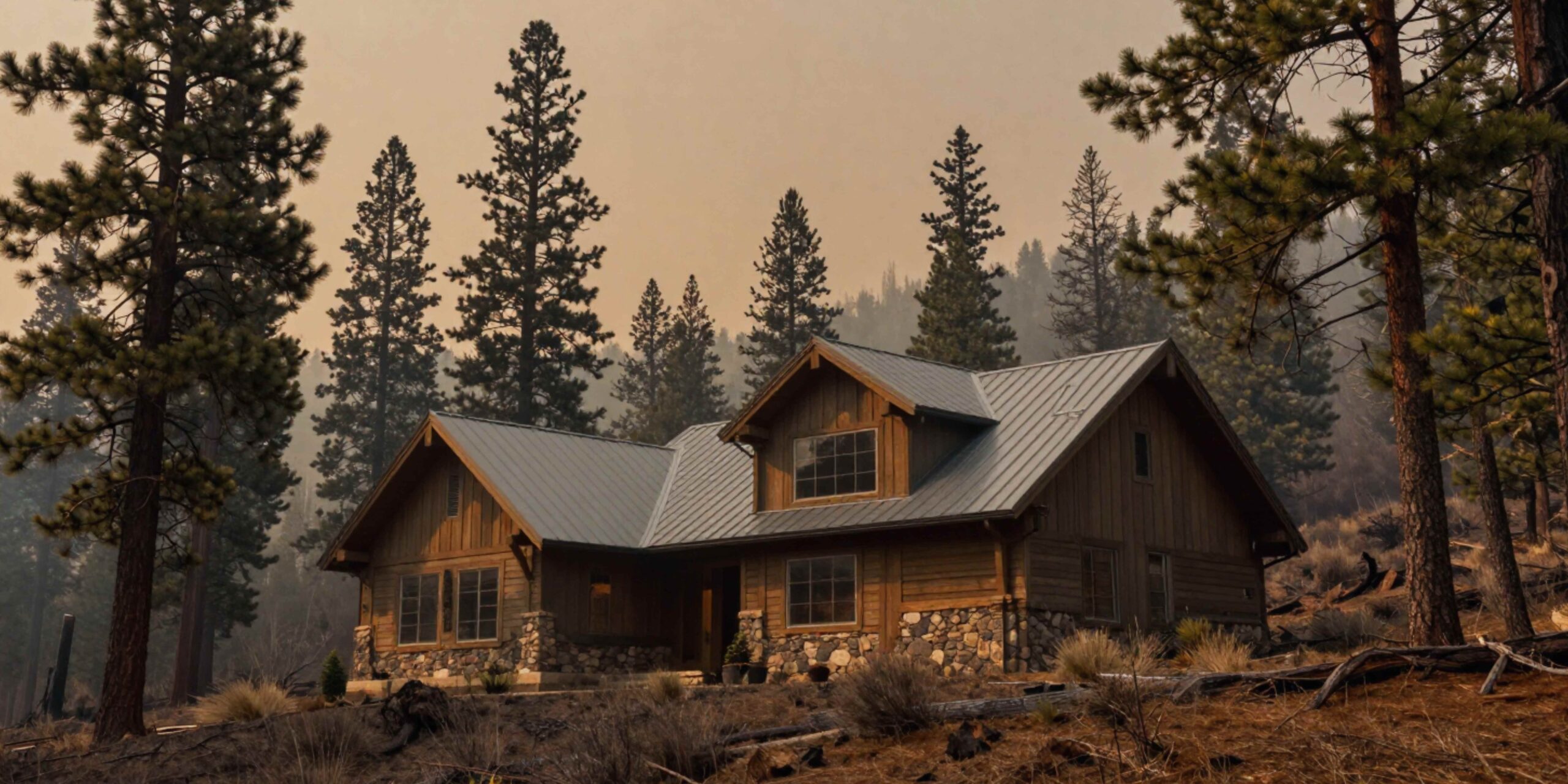
How Is the Colorado Wildfire Resiliency Code Changing Colorado Homes?
The Colorado Wildfire Resiliency Code is changing how homes are built and remodeled in wildfire-prone areas across the state. If you’re building a new home, planning an exterior renovation, or purchasing property in Colorado’s Wildland Urban Interface (WUI), understanding these new requirements can help you make informed decisions before you invest. The goal of the code is simple: build homes that are better prepared to withstand wildfires while helping protect homeowners, communities, and one of life’s biggest investments.
What Is the Colorado Wildfire Resiliency Code?
The Colorado Wildfire Resiliency Code establishes minimum building requirements for new construction and significant additions in designated Wildland Urban Interface (WUI) areas. These are locations where homes are built near forests, grasslands, or other natural areas with increased wildfire risk.
The purpose of the code is to reduce the risk of homes igniting from windblown embers or direct flame exposure. While no building material can make a home completely fireproof, choosing more fire-resistant materials can significantly improve a home’s ability to withstand a wildfire.
Wildland Urban Interface (WUI) refers to areas where homes and neighborhoods border natural vegetation that is susceptible to wildfire.
Why Does the Colorado Wildfire Resiliency Code Matter?
For most people, their home is one of the largest investments they’ll ever make.
Colorado has experienced an increase in destructive wildfires over the past several years. As a result, builders, local governments, and insurance companies are placing greater emphasis on homes that are better prepared for wildfire.
Making informed decisions about your roof, siding, gutters, and vents today can help protect your home tomorrow. In some cases, using fire-resistant materials may also improve your ability to obtain homeowners insurance or qualify for available insurance discounts.
What Does the Colorado Wildfire Resiliency Code Require?
The specific requirements depend on the wildfire risk assigned to your property.
In many Wildland Urban Interface areas, the code may require features such as:
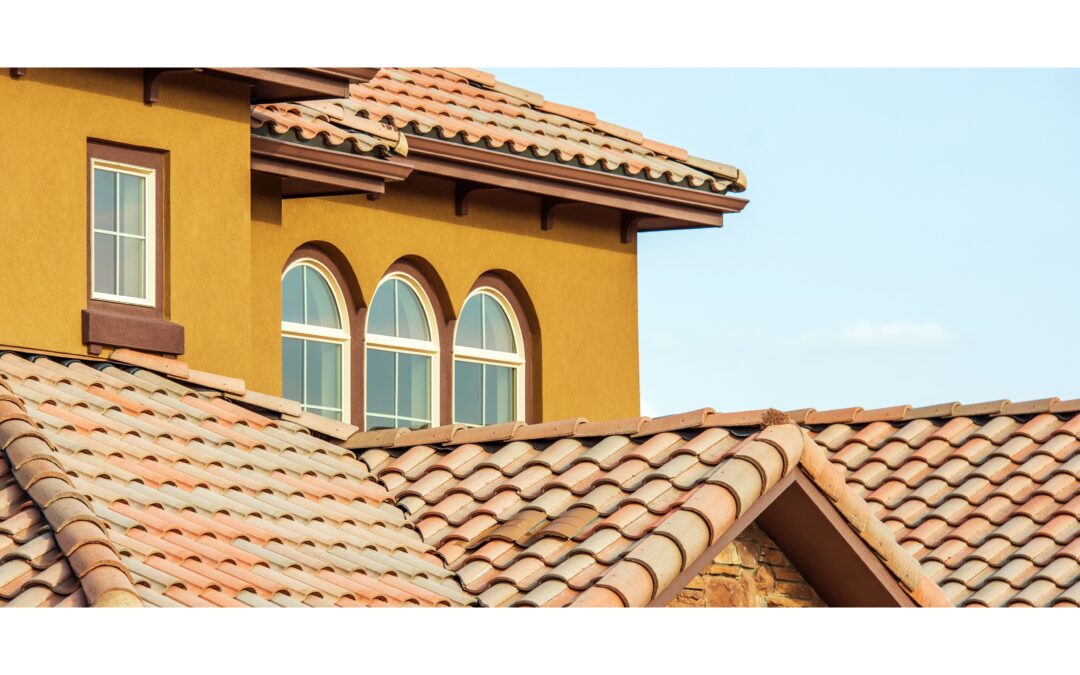
- Class A roofing materials
- Noncombustible gutters
- Ember-resistant attic and foundation vents
- Fire-resistant exterior wall materials
For homes located in moderate and high wildfire-risk areas, approved siding materials may include:
- Fiber cement siding
- Noncombustible siding materials
- Fire-retardant treated wood
- Other approved ignition-resistant exterior products
The exact requirements vary by location and local building jurisdiction.
Are Metal Roofs a Good Choice in Wildfire-Prone Areas?
One of the most common questions homeowners ask is whether a metal roof is a good choice for wildfire protection.
Metal roofs are noncombustible and are often used as part of wildfire-resistant construction because they do not provide fuel if windblown embers land on the roof. When installed as part of a complete roofing system that meets local building requirements, a metal roof offers excellent durability, longevity, and fire resistance.
If you’re considering replacing your roof, it’s worth comparing metal roofing with traditional asphalt shingles to understand the differences in cost, lifespan, maintenance, and long-term value.
Related Article: Metal Roof Cost in Colorado: Is It Worth the Investment?
https://www.bczcroofing.com/metal-roof-cost-colorado/
Does the Colorado Wildfire Resiliency Code Affect Existing Homes?
Not necessarily.
The Colorado Wildfire Resiliency Code primarily applies to new construction, major additions, and significant exterior renovations within designated Wildland Urban Interface areas.
If you’re planning a large remodel or replacing major exterior components, portions of the current code may apply. Before beginning your project, it’s always a good idea to check with your local building department or work with a contractor who understands the latest Colorado building requirements.
Why Are More Homeowners Choosing Fiber Cement Siding?
Fiber cement siding has become one of the most popular exterior materials in wildfire-prone areas because it is durable, low maintenance, and noncombustible.
Unlike traditional wood siding, fiber cement does not provide fuel during a wildfire and is recognized as an approved material under many wildfire building requirements.
While fiber cement is an excellent choice, every home is different. Homeowners should also consider appearance, maintenance, durability, long-term value, and insurance considerations when choosing exterior materials.
What Should Homeowners Do Next?
Whether you’re building a new home, replacing your roof, or planning an exterior remodel, understanding the Colorado Wildfire Resiliency Code now can help you avoid costly surprises later.
Here are a few simple steps:
- Find out whether your property is located within a Wildland Urban Interface (WUI) area.
- Understand which building materials are required for your project.
- Ask your insurance company whether fire-resistant roofing or siding qualifies for discounts.
- Work with an experienced Colorado contractor who understands the Colorado Wildfire Resiliency Code, local building requirements, and fire-resistant roofing and siding options.
Making informed decisions today can help protect your home, improve long-term durability, and potentially reduce future insurance costs.
If you’re also interested in understanding how insurance changes could affect your roof replacement costs, try our Roof Insurance Cost Calculator to estimate your potential out-of-pocket costs before you need your insurance most.
Frequently Asked Questions
Does the Colorado Wildfire Resiliency Code apply to every home?
No. The code primarily applies to new construction, significant additions, and major exterior renovations within designated Wildland Urban Interface areas. Local governments determine where these areas are located and may adopt additional local requirements.
Will I have to replace my existing roof or siding?
In most cases, no. Existing homes are generally not required to replace compliant materials simply because the code has changed. However, major remodels or additions may trigger portions of the current building code.
Can fire-resistant materials help lower my homeowners insurance?
Possibly. Fire-resistant materials such as metal roofing, Class A roofing systems, and fiber cement siding may qualify for insurance discounts depending on your insurance carrier and policy. It’s always worth asking your insurance agent what discounts may be available before making improvements.
Ready to Learn More?
Whether you’re replacing your roof, updating your siding, or planning a major exterior renovation, we’re here to help you understand your options. Our goal is to help Colorado homeowners make informed decisions that protect one of life’s biggest investments—their home.
At BCZC Roofing & Exteriors, we’re homeowners first and contractors second. That means we believe education comes before sales, and we’re committed to helping you choose the right solutions for your home, your budget, and your long-term peace of mind.